You must have noticed by now, I do love a bit of neologism, making new words up whenever it fits.
Today I’m gonna touch on the forsaken and underrated ethics topic. People don’t value it enough to blog about it anymore. I feel ethics still deserves its place in the world, now more than ever.
Having recently taken up a new job at a chartered institute, I’m getting to see how serious ethics can be taken, if you nurture a culture around it.
The values upholding becomes notoriously strong when everyone is (re)educated to respect them.
All starting with the institute need to sit an ethics test and a 75% score is the compulsory minimum. This alone, makes me revisit ALL my previous jobs. It really put things in perspective.
Maybe I reached a maturity level that has opened my eyes to what’s really valuable about your work environment. A strong ethics is a definite essential. It’s the base of everything good and correct: equality, mutual respect, solidarity.
It’s also common sense. I feel priviledged to be part of this fabulous organization. I am really happy to found an employer with values perfectly aligned with mine.
The impact on staff’s relationship is huge and many employers greatly underestimate the influence of work environment on staff’s productivity. Especially in a world where very few businesses practice what they preach because it’s either inconvenient or out of fashion.
Ethics leads to employer credibility, which drives creativity, productivity, world class customers service therefore, bringing more business.
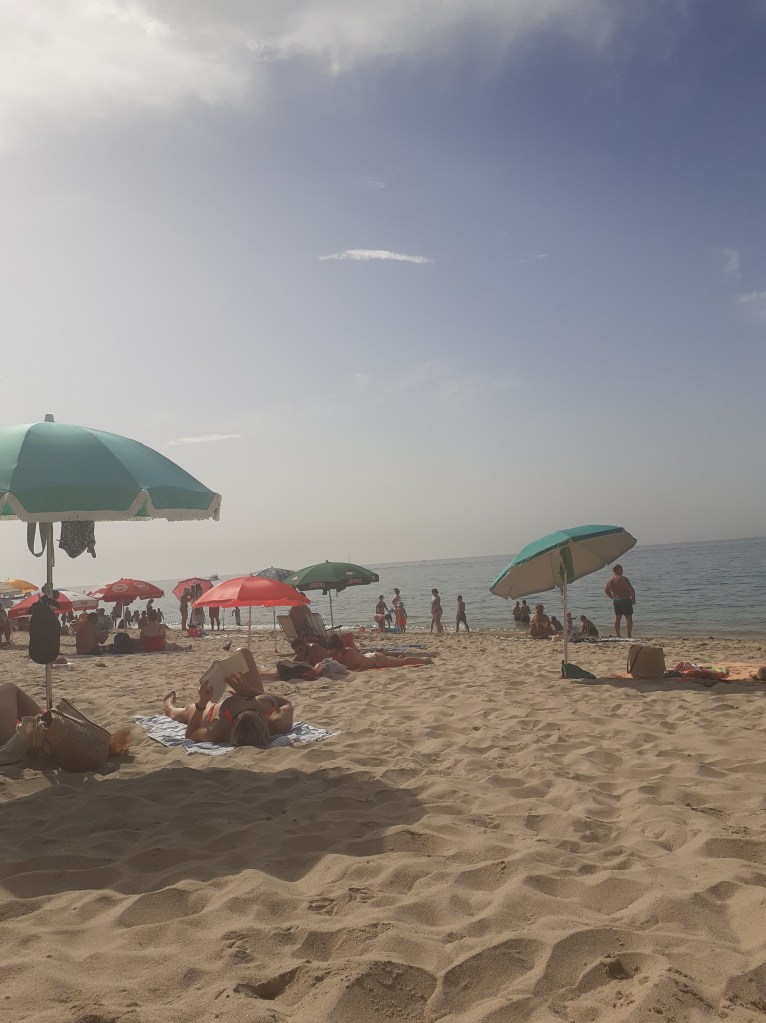
We’re still at the airport security queues. Just joking! We eventually got to the beach.
After all unpacking ( I realized I actually brought so much clothes that I don’t expect to wear any twice for the two weeks), and much needed commute recharge, we head to the beach as priority.
My beach days have officially started.
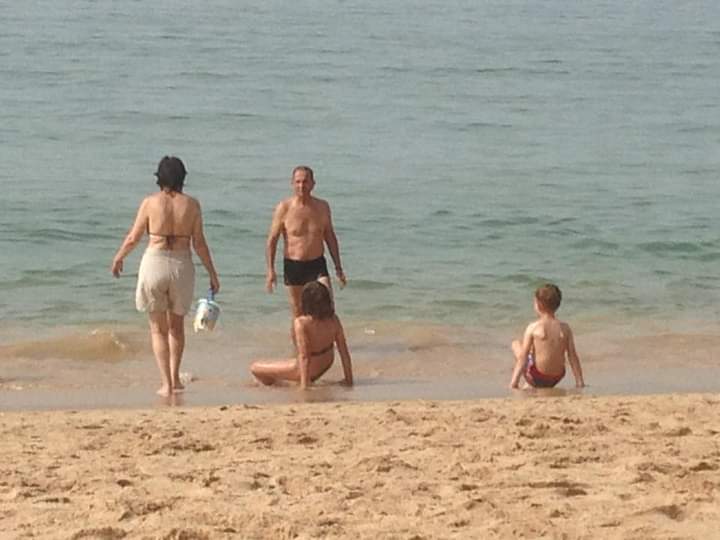
It’s now all about dozing off or reading in the sun (while absorbing all available Vitamin D).
Following by a timeless blood flow stimulation therapy, dipping the full body in the cold sea. – I actually had a BPM warning on my watch! –
And what better skin exfoliator than the sun burnt Atlantic sand? Ah! I just can’t wait to retire…
The same as at the airport, my fascination by human behaviour is undeniable.
As I lay down and close my eyes to snooze for a while, I hear the voices and evesdrop the conversations nearby.
When you’re on the beach you get to “observe” people’s habits, how they treat each other.
I find people’s behaviours tell a lot about their personality. How loud people are, what words they use. All these features reveal a lot about a person.
I listen to how they discipline their children, if they’re soft or abrupt, how the children respond. It’s like listening to a bed time story.
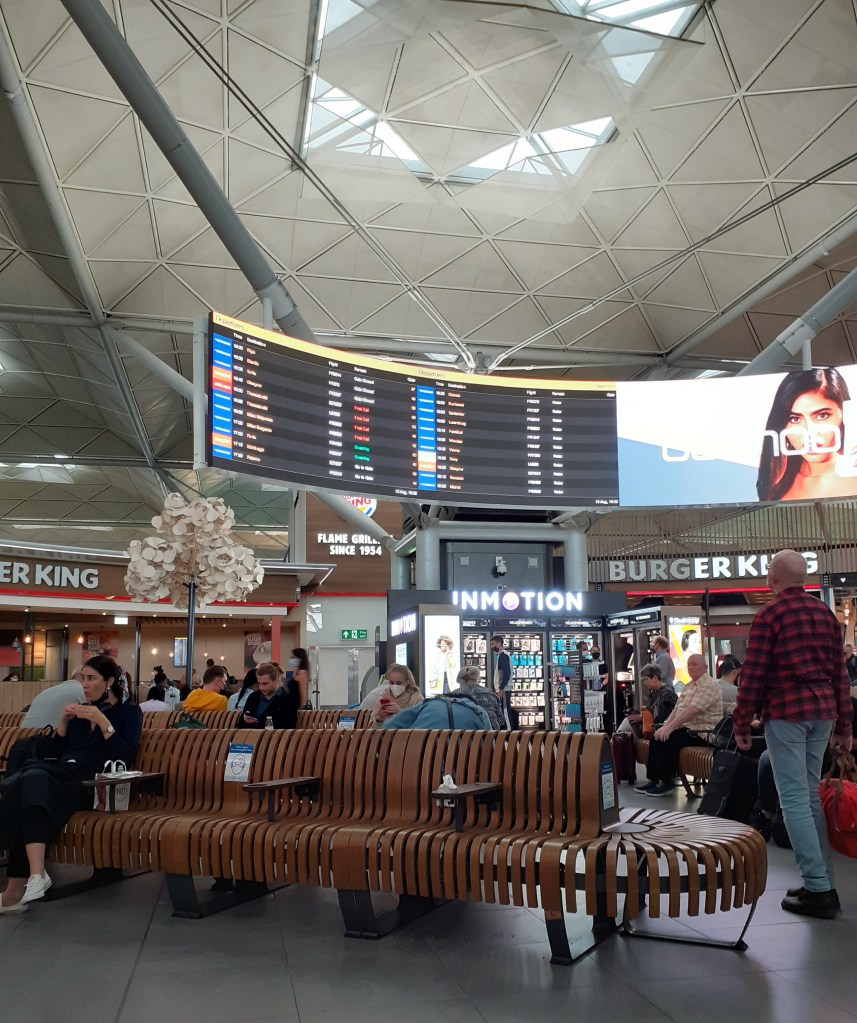
I love watching people at airports. There’s something fascinating about guessing where people come from, where are they going, what’s their travelling purpose.
People are rushing like dizzy roaches to get through security, to go the toilet, to quickly find a good bargain in a shop, to check the boarding gates.
Relax…
When everyone is faffing about to get to their destination I am sitting here writing and relaxing. It’s quite inspiring, really. So I write.
Quick bite before getting through the gate and off we go. I am quite looking forward to this. It’s been two long years since I last got some fresh native air… This is the start of a longing two week family holiday.
I wasn’t too hungry, so just got myself a pack of spicy mixed nuts and a bottle of water. Mistake. One bad inhale and I had the worst cough attack in years. Very inconvenient and uncomfortable, in the middle of a pandemic. And it lasted right until the end of the flight.
Not even the wonderful Lavazza coffee managed to contain my coughing fit
Not impressed with the lack of Covid regulations monitoring though, particularly on the shuttles that drive us to the gate. Although everyone was keeping their masks on, no one was keeping their distance.
It was dark when we land. The killer back pain gives my age away after a two-hour flight. I feel sorry (and relate) dor the parents tirelessly carrying their children every so often. Flying takes its toll on them. They will sleep well tonight, that’s for sure.
As soos as we land, we hit the toilets. It’s an undeniable primary need. All we have left alas is an endless security queue at the exit, to make it all wortwhile…
For someone with the little recognized writing experience as I have, it is hard to find the right topic to write about. “Write about what you know well, write about what you enjoy” people and peers tell me. That’s easier said than done.
I do read people really well, and I deal with many different people everyday. And so I’ve done for years. So I find it easy to put myself in someone else’s shoes and find things to relate. Maybe I can talk a little about that in my very own way.
Let me reassure you the heading is not a typo. I have actually come up with a new word. Customers are all different from one another. Different genders, different ages, different cultures, different educations.
This is no news to anybody. Most of the emails we receive, whether they are Newsletters or marketing subscriptions have been tailored according to our characteristics. And these details are embedded in the automation systems that many businesses use today.
Clusters of customers (or clustomers, as I call it) grow over time. Businesses gather information to classify customers by a group of features. This is to ensure the customers get the information they’re actually looking for. Businesses need to (or hire someone to) do their prep work to help develop a long term relationship with their customers.
There is one common denominator to all: the customer intimacy. We have to agree that tailoring emails adds a certain level of intimacy to the communication. Not as close as being able to see our underwear colour. Yet. In a nut shell: “We write you knowing what your tastes are and what you want to avoid”.
But at the very base of this automation is a very crafty writer, who can map words in a way that resonates with you. So, in fact, none of them are 100% automated. There is no doubt there is leg work done in the background.
This is where hiring the writer can have a major impact. The tighter the niche the more effective the word. The writer needs to find the most effective way to touch the reader.
Tell me who you are and I will tell what you need.
Addressing customers should feel like addressing ourselves. So we need to ask ourselves:
What makes me open an email?
What tickles me to read it? Is it the images? Is it the headings? Or am I looking for a freebie?
What am I looking for when I subscribe a Newsletter? What insight am I expecting?
Is reading that email going to add value to my life?
Or is it going to waste my time and make me unsubscribe?
My experience dealing with customers directly tells me that they like:
Being addressed by their first name;
When I treat them like a person (different from any other customer);
That I am also a person and relate to everyday mundane things that are common to them;
That I pay attention and remember them every time;
That old view that people like to be addressed by their titles is overrated. Today there’s more of a risk to cause offense by getting a gender wrong than anything else. But that also should not matter in any case. If the text is impartial and clean from any stereotypical mentions and comments (or related sarcastic nuances) everybody’s happy.
The way I see it, people make businesses. You treat people well and they will return.
Building trust with customers doesn’t happen overnight. It is something that you weave over time. While you are building that trust you are sharing your insights and expertise. And you will want to do it in such a way that whenever the customer thinks “PRODUCT” he/she will be thinking “YOU”. This is how your brand comes about.
The relationship between the business and the customer grows wrapped in the combination of three characteristics that the customer generally appreciates (that we all apppreciate): transparency, reliability, credibility. Regardless of the business industry I can guarantee you these are the three main pillars at the base of the business-customer relationship.
It’s very often not the value of the product but the relationship you nurture that brings the customers back. I have realized that, even if the product we’re selling is only at an “acceptable” level in comparison to others, the customers will value a good honest chat where they will gain knowledge as value more than the end product.
Business-to-Business clustomers relationships are straightforward as they easily show what they want. They are mainly interested in the price-value perspective. It is true you are dealing with an individual. But this individual represents a business, so they don’t usually care if you know or relate to their personal likes and dislikes. Business-to-business relationships are simply logical ones.
Business-to-Customer clustomers are more based in personal emotions, hence require more time and dedication. But the reality of it is, it is more likely that a B2C clustomer to cross over a B2B than the other way around. B2C clustomers have a wider scope for expansion and if they had a good personal experience they will be more inclined to refer a business. And the potential for value is there already. Am I overcomplicating?
I question if the concept of normality is the same today as it was two years ago.
We can talk about a new normality perhaps, because we will never go back to the same normality we had prior to Covid.
Work: even some though some of us are gradually returning to the office, the vast majority will only do it 2, 3/5 days if any at all. Working remotely has forcibly become a new normal. But that also brought a double benefit. The commute is now also quieter and the environment is thanking us.
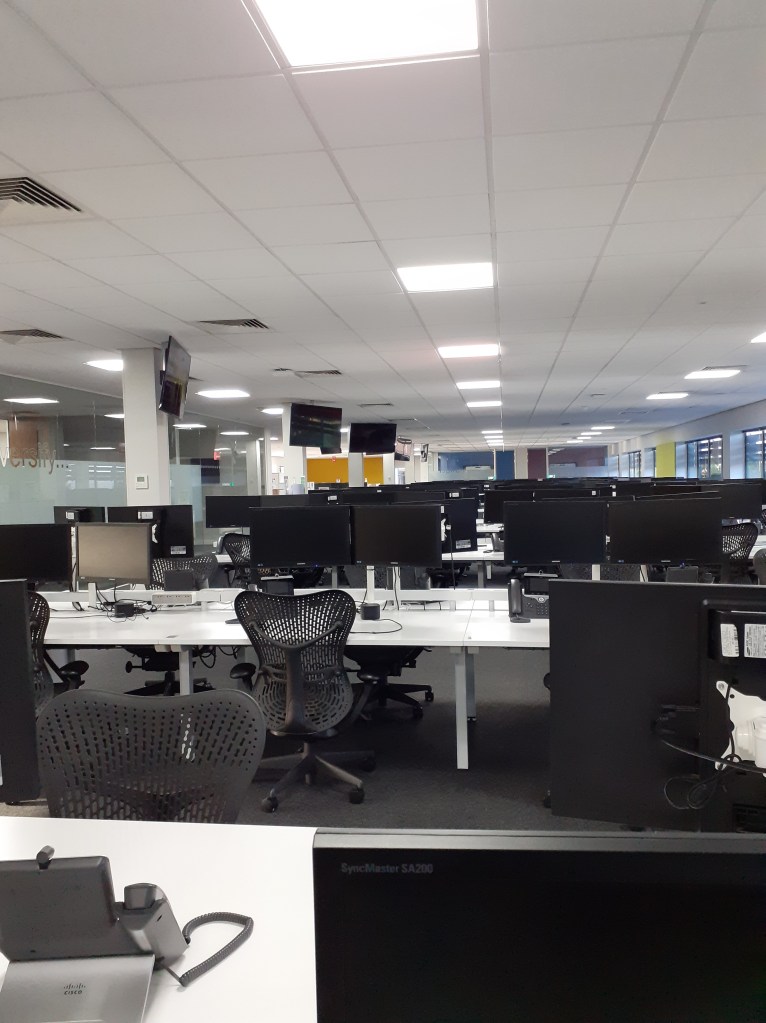
All very sanitised working areas and stations, following the current distamce guidelines
Shopping: is now (for me) actually more enjoyable. You may find the odd queue, depending on where you’re going, but it is quieter. There’s no pushing, no stress. So, ok, I still use the mask (and I will do, in more crowded places), probably for the next two years, at least.
Working out: if it’s outdoors, it’s never an issue. Indoors, yes it can become complicated. Again, less is better and quieter. At my gym, we have pre-measured designated spots and continue to keep the numbers down. However, after the last numbers have creeped up we decided to give it a break to safeguard our holidays.
Travelling: has become a luxury, more than ever. Not only you pay for the trips and the stay, but now you need to pay for mandatory Covid tests both ways. We are paying at least a third more for our holiday costs.
Holidays in the sunshine
Schools: This is a close one to me. The whole way the British Government has been addressing Covid in schools is just a big LOL. Bubbles don’t work (or make sense) and I don’t feel schools have done enough to stress the risks and consequences to thr children. They think they’re superheroes! They forget that they are as much of a walking weapon as they are immune…
Socializing: We will be living with a general suspicion of everyone around us being a possible carrier, wheather it’s a stranger or a family member. As if we were constantly in the middle of one of detective Poirot’s investigations. Our conversations will now always contain the words Covid, testing and vaccination.
The whole ritual of sanitising, wearing masks, scanning QR codes (another pointless act, to me) is all far from what I remember to be normal.
Let’s face it: Covid is not going away anytime soon. One more flu variant we will probably need a boost for every year.
Back to normal everyone. Just act casual. Nothing to see here.
#rantalert (Just in case the heading was not clear enough).
Nothing puts me off more in reading emails than the ones that have smileys on the subject. It’s just… No.
They are fun and colourful in the body text. Don’t add them to your subject. It strikes me as a terribly desperate call for attention. I may as well have my teenage daughter writing and I would get the same feeling.
I like smileys, you may have seen a few of mine. Don’t get me wrong. But on the subject it just does not look professional. It looks childish. All in moderation. I find that it’s ok to have the odd one, if it helps to make a point or to help building a mental image.
This seems to be a growing trend, where most emails in my inbox have smileys on the subject. Even Hubspot fell for this. It’s just vulgar.
If you want your customers/readers to see you as an expert, an authority in a matter, smileys don’t do you any favours. On the contrary, I find that it lowers your credibility.
Little rockets, megaphones, microphones, light bulbs… No. I understand that we want our correspondence to be interesting but the fact that it lacks colours doesn’t always mean it is boring.
What you don’t want is for your communications to come across like a Primary School newspaper. In my opinion, it can become tiring to your eyesight.
Why not? It’s a country with a tremendously rich culture. It’s a shame that most people are not aware of its history.
It’s a warm country. The people are welcoming. The food is absolutely A-M-A-Z-I-N-G! The nightlife (as you would expect from a warm country) is inviting and fun.
During the Summer, BC – and surely AC – (Before and After Covid) there’s always an array of music festivals happening throughout the country. I’m pretty sure that, if you have enough holidays available, you can check into all of them.
Drinking from this Portuguese article, I’ve spruced it up to give you a bit of a taster. I hope you like it, particularly the added sensorial bits links on the maps, as I carefully chose those to give you a closer feeling of what your holiday could be.
So…
ready to book?
North or South, you will find plenty of choices. Check these options for safe and low-cost holidays in Portugal. This list will jump-start your possibilities. I added a video link to all maps, for an extra sensorial experience. You will love them!
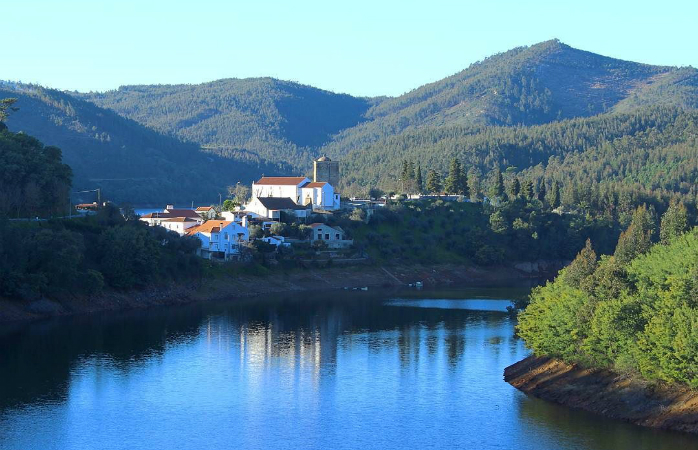
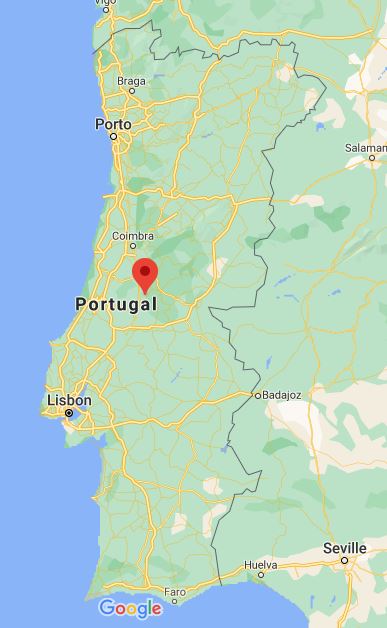
1. Dornes
Dorning Dornes
Click the map for added sensorial taste
Located in the Santarem District, near the Zezere River, it’s a sin not to visit. A town that has always been surrounded by a very strong religious and mystical character, it sits on a charming peninsula.
A quiet setting for a short-break, I would probably say perfect for a romantic escape ;) Absolute paradise!
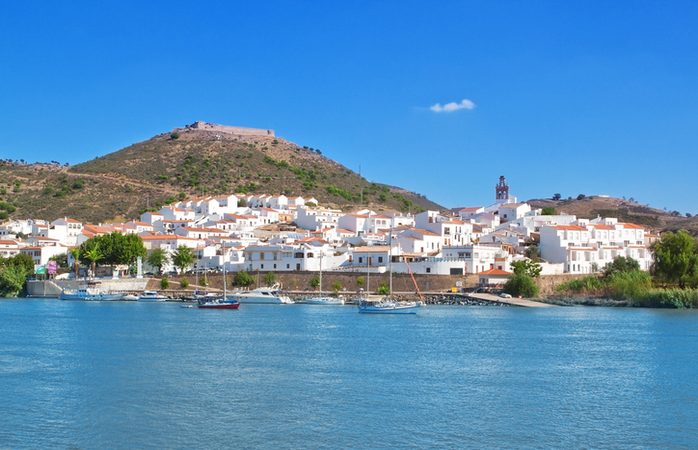
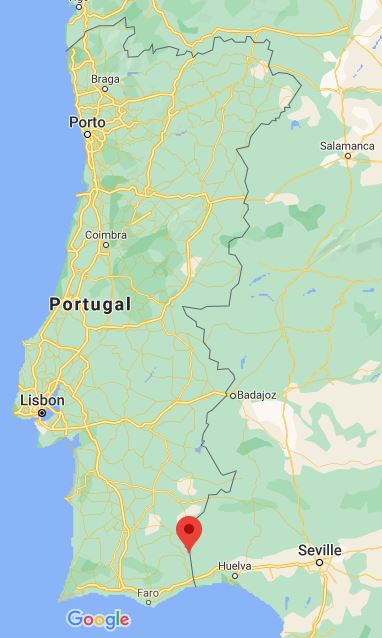
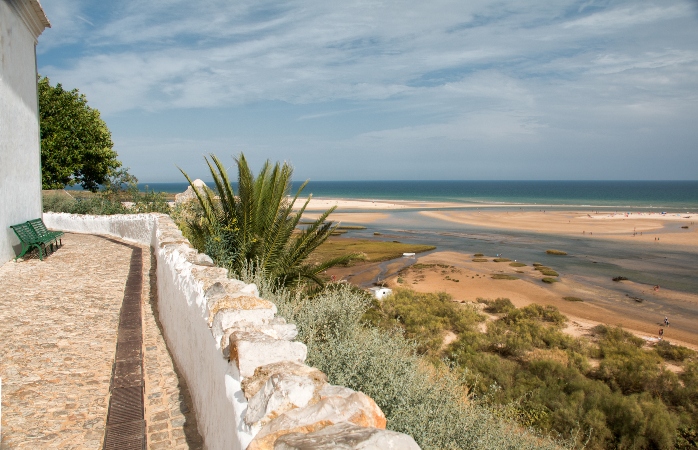
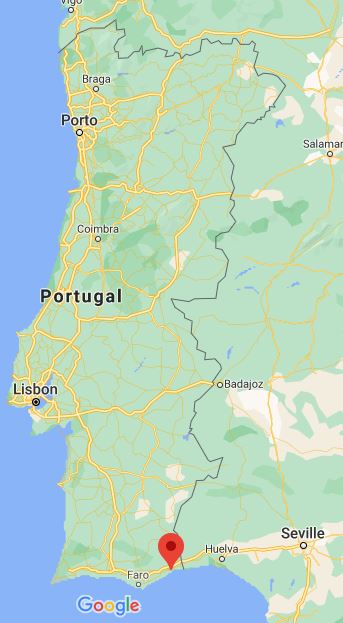
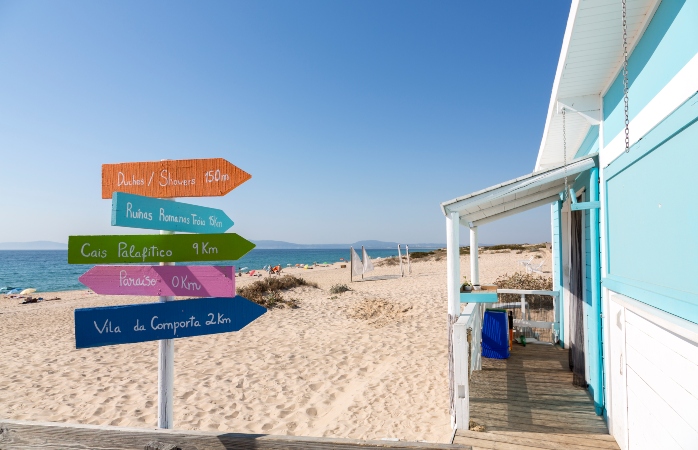
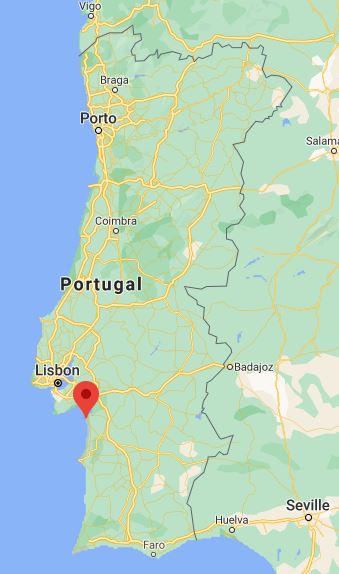
By the border with Spain, the Algarve away from the traffic, from the crowds, with just enough to keep you busy for a long weekend.
Lovely for a good hike or bike ride. And not too far from the sea. The food is gorgeous and you can get to Sanlucar in Spain in minutes (on foot in 22 mins and by ferry in 8).
Think seafood accompanied by our mini beers (250ml) :P
Our Spanish neighbours visit a lot too. It even had a nomination for one of the best beaches in the world in one of their magazines. Check out here for validation.
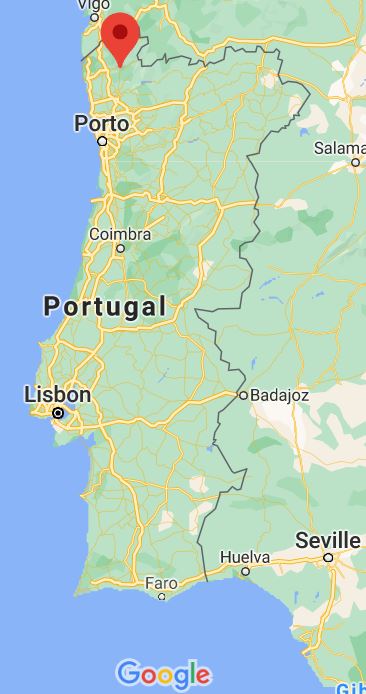
Not too far from Spain (as if we had borders with any other country), but this time on the extreme opposite.
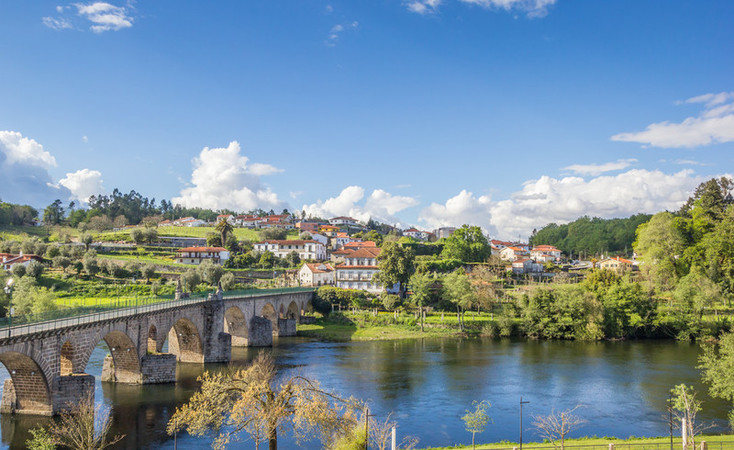
Named “Elaneobriga” by the Romans, later Ponte da Barca to mention the big boat that served as a bridge before the actual bridges was built in the 15th Century.
Here you can bounce between the dreamy river beach, the historical sites, the wine tasting and sports and leisure activities.
The question is “How close to Nature can you get?”
5. peso da régua
Absolutely delicious!
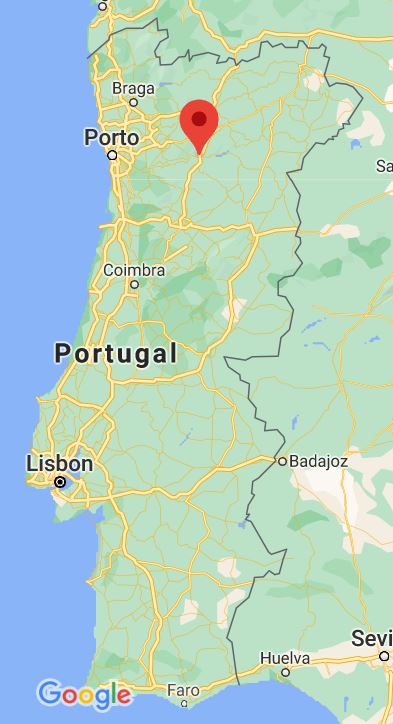
Click the map for added sensorial taste
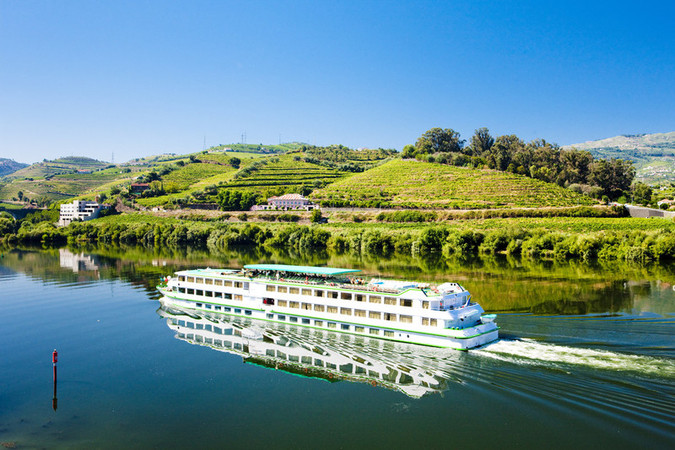
Looking for spectacular views? Try São Leonardo at Galafura and Santo António do Loureiro.
Aah! The Douro! Birth place of Port wine 🍷
In 1756 was created the world’s first ever demarcated region for wine production: Royal Company of Vine-Growers from the Alto Douro Region.
In the banks of these green slopes the sale and dispatch of many Port wine barrels occurred from the 18th Century, transported in the characteristicly querky Rabelo Boats.
Get a good view of the wine slopes along the river on a perfumed, breezy boat trip over the 6 Douro Bridges. Maybe even during a good wine tasting…
Away from the beach crowds, we arrive to the inland mountains, the unknown of the Portuguese country side.
Try the heartwarming wine, homemade bread and the local smoked meats. The flavours will stick with you.
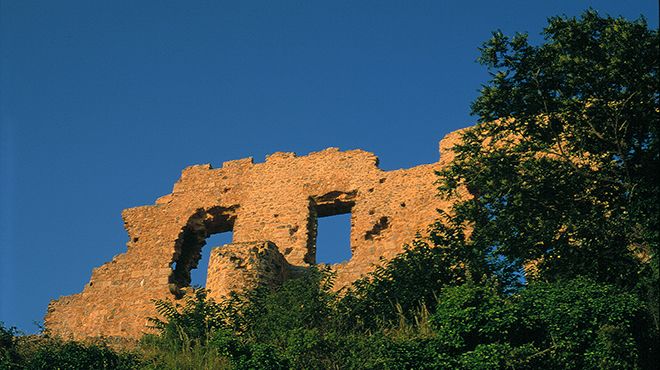
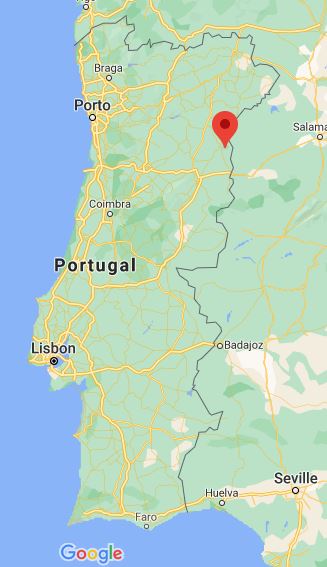
Keeping everything in the middle: travelling further to the midlands to encounter a little medieval village, we come to find Castelo Rodrigo.
With an undeniable historic wealth and with a tracked records of extended terrirory disputes, worth a whole new games of throne saga, Castelo Rodrigo stands as Portuguese territory since 1297, under the Alcanices Treaty with Spain.
Then there are All Terrain Tours, BTT Routes. And don’t you dare missing the pre-historical engraved rocks!
Check points:
The Castle
The T Shaped Embrasures (strategic monitoring positions during invasions)
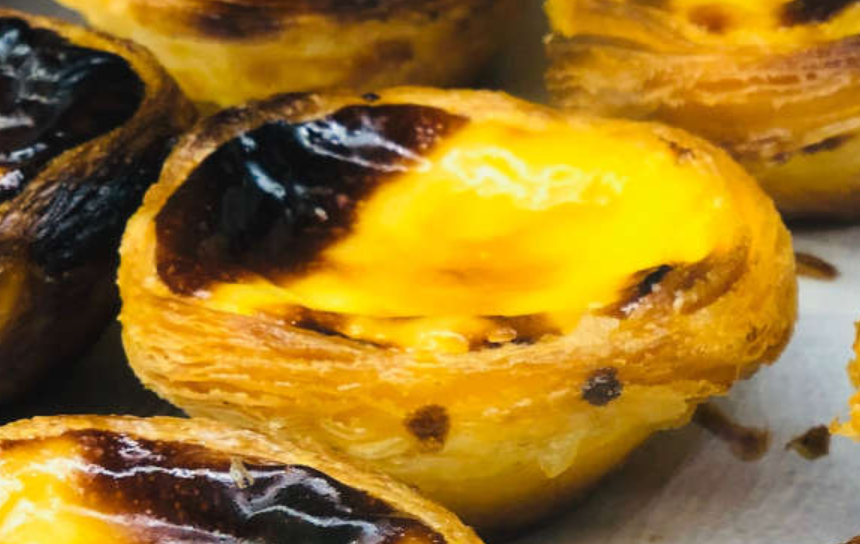
If you have been to Portugal (and no, Portugal is not part of Spain), you know that the main reference baked good is this infamous custard tart. It’s a real unique treat. The fact that it comes in such a small size tricks us into believing it is not a so sinful one. I guess that’s probably the way the monks guaranteed their place into heaven. All was forgiven and forgotten.
History tells that because in convents and monasteries large quantities of egg whites were used for starching their religious habits, (and also provided the higher classes) they were left with quite a large quantity of egg yolks with which many conventual desserts were made around the country, the pastel de nata being one of the most popular. You can find a few more here.
You must try them with a sprinkle o cinammon accompanied by an espresso: the perfect punishment. The recipe, however, is no longer the monks’ secret. You can have a go by clicking on the image.
I leave you with a video I subtitled into English, which shares the story of this exquisite sweet delicacy by the original recipe keepers: Pastéis de Belém, also short and sweet.
Remember to select English subtitles on the bottom of the video before watching. Hope you like it.
My initial thought was to allow myself more time to build my own writing business. It’s something I always wanted to do.
I have always been a freelancer on the side. A linguist professional. That didn’t change. What changed was that now I was going to focus on reshaping my freelance business.
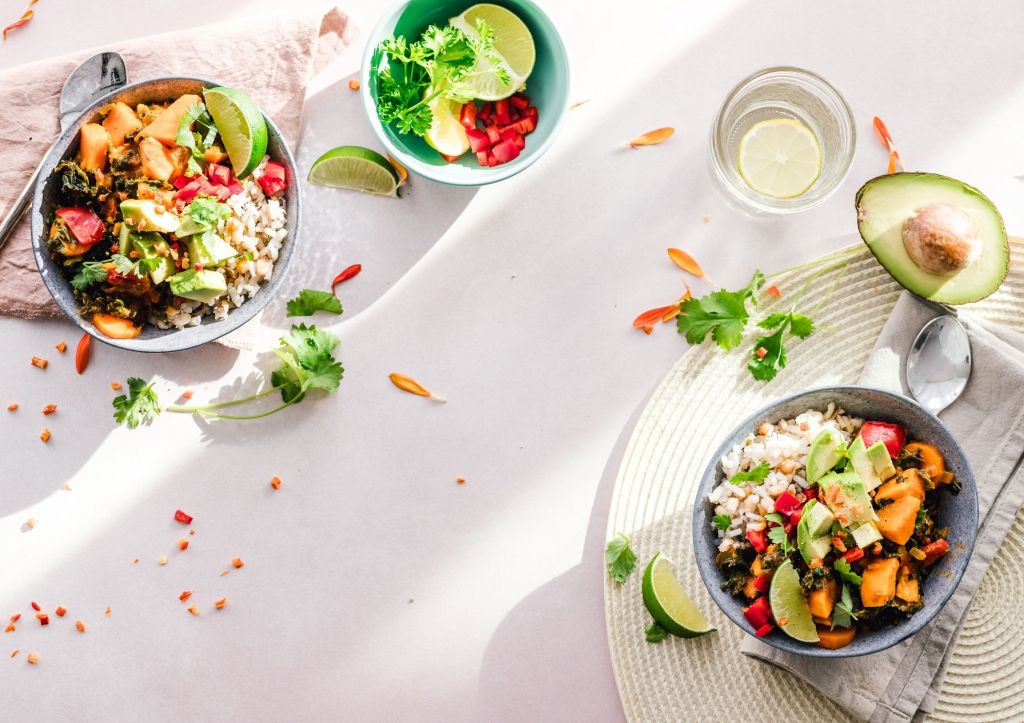
Recently I decided to go on a diet. This may sound completely unrelated but walk with me here. The diet had an impact on me that in many ways surpassed the physical realm.
“Research shows that what we eat can influence what we want to become .”
Reshaping my business for me means that I don’t want to be a linguist only, I want to offer writing services too. I am entering a dimension that is new to me. It will need ire a lot of practice, networking and funly enough, advertising.
Getting into that brave, all-confident mind frame can be a slow process. I read it can take years. I’m pretty sure that is because we all have/had different career paths.
Not everyone has the first right vision. Sometimes it takes a while to be clear, other times personal life gets in the way and priorities change. Our physical (and physiological) wellbeing play a more important part than that one we think.
I’m the latter. Marriage, emmigration, children, divorce, house moves, redundancy, lockdown. All more than valid reasons to delay my true call. Or so I say to myself.
Since I started this venture, in October last year, I have enrolled on a couple of copywriting courses. And started exploring freelancing platforms in more depth.
I spend a lot of time on the side building up planners and testing and changing settings. As well as playing around and experimenting with platforms and blogging.
In the beginning stages all these tasks can feel daunting. Especially when you look around and see so many “peers” successfully established can be scary, even though you know much of what you see may be fake.
“Evidence suggests that as well as affecting our physical health, what we eat may also affect the way we feel.”
All this requires a reasonable amount of time and mental and emotional juggling. I need to be at my most disciplined (and swiftest) status ever. I need to be able to switch between mother and freelancer-mode.
This diet has been life-changing. I’m certain the extra weight I was carrying around was fogging my brain. It was impairing my judgment. It was hard in the beginning, I’m not gonna lie, but it was totally worth it. My ability to focus increased, my views are now more positive.
As a consequence, this has had without a doubt, a major impact in my confidence. We tend to overlook the mental benefits it brings, as we generally only see its physical benefits. But it can actually affect you positively in many other ways. This has shown to be true.
“More and more research is coming to light on the impact food has on both our overall mental wellness…” Food and Mood (Click on the image to read the whole article).
I have read about it before and although it only sounded like my mum repeating herself, it was common sense. But, like most people I procrastinated my attempts to test it myself. I have never been much of a diet person.
The thought of prohibitions of food that I enjoyed has never been appealing. And on the other hand, I’ve never been a fan of take away food or regular fried food of any sort. My extra weight was mostly due to the portion sizes.
The fact that I felt this change myself, more than a validation, it made me proud of my achievement. Furthermore my mind is now free from enrooted preconceptions related to different ingredient combinations, which made eek (like my daughter says). :D
Now I find myself eating things I wouldn’t consider before AND enjoying them! I am absolutely loving the dieting experience and I have no intention to stop. Maybe it was only a coincidence or maybe it was the right time and only now my taste buds and my body were ready for this.
Have you experienced the same? I would love it if you’d care to share.
The most important thing now is not to lose the momentum and keep it going. Onward and upward!
Got a bit distracted with courses and all-things writing but the lockdown has not taken the best off of me yet.
The days have noticeably become bigger. Bigger and sunnier.
It’s still a bit chilly but it’s starting to look a lot like Spring. Finally we see the light!
We can say we know to a degree what it is like to come out of a hibernation period, because it felt like it.
Spring is around the corner and the lockdown is easing its way out too. I can ‘t help but start thinking about all the things I want to go back to. Or start doing as soon as I can.
If there’s one thing this lockdown made me realise was that nothing is assured. We never know when we’re going to be in another pandemic lockdown again.
But, for now that’s water under the bridge and we must look into the future with a strong faith. The brighter days are coming and we have a lot to look forward to.
Seeing family and friends is right at the top of everybody’s Out-of-Lockdown bucket list.
Travelling will be the big one. The free movement is something we’re all looking forward to.
I’m thinking of going back to one of the old ways of travelling. I’ve always loved travelling by train. You get to see the landscape, you get time to sleep, to read, you can stretch your legs, you can have a drink. Gosh, they even have wifi and plug sockets!
I never dreamt of flying for holidays. My first holiday travel goal was always Europe, by train. I have always thought that would be the best way to get to know old Europe. Hands-On. The live experience.
You still get from many A to Bs with only half of the airport’s hassle. The children will love a change. And it’s ever so affordable. No excuse. So based in this one article from Euronews I have done some light maths, for one adult travelling only. It gives you a good idea. Walk with me here.
In Paris (France) in 2 hours for about £50.
Or in Bordeaux (France) in over 5 hours for under £100.
In Brussels (Belgium) in 2 hours, also for about £50.
In Cologne (Germany) in 5 hours, for about £100.
In Bern (Switzerland) in 8h 25mins, via Paris for about £100.
In Florence (Italy) in 20 hours, via Paris from about £100.
In Amsterdam (Netherlands) in 7 hours, via Paris for under £100.
In Vienna (Austria) in 15 hours, via Paris for just over £100
In Seville (Spain) in 15 hours, via Paris for under £150.
Without too much thinking, if we multiply that by a family of four (not even accounting ages) we can get the trip paid for under £500. And if we take advantage of advance booking.
Isn’t it tempting?
Next step will be to change our mind set to travelling with the least luggage, which we are no longer used to. It will be an interesting experience to cut down on our travelling essentials. To even THINK what are currently essentials to us is going to be a challenge.
Don’t get me wrong, I’m not completely removing the flying option. We know there are trips that would be too time-consuming without it. And I’m no Willy Fog. But I would like to consider that option where possible.
I believe it could be a valuable experience for us all.




 Nostalgic Mumma